
Contents
- 🎸 Introduction to The Final Cut
- 📀 Album Background and Concept
- 🎶 Musical Composition and Style
- 📊 Commercial Reception and Chart Performance
- 📰 Critical Reviews and Legacy
- 🎧 Lyrical Themes and Interpretations
- 👥 Band Dynamics and Tensions
- 📻 Radio and Live Performances
- 📹 Music Videos and Visuals
- 👀 Cultural Impact and Influence
- 🤔 Controversies and Criticisms
- 🎯 Legacy and Re-Releases
- Frequently Asked Questions
- Related Topics
Overview
Pink Floyd's The Final Cut, released in 1983, is a concept album that serves as a scathing critique of war, politics, and societal ills. The album was written by Roger Waters, who was inspired by his own experiences and the world around him. With a vibe score of 8, The Final Cut is a powerful and thought-provoking work that explores themes of trauma, mortality, and the dehumanizing effects of war. The album features 12 tracks, including 'Not Now John' and 'The Hero's Return', and has been widely praised for its lyrical depth and musical complexity. Despite being a commercial success, The Final Cut has been the subject of controversy and debate, with some critics accusing Waters of being overly pessimistic and nihilistic. As a cultural touchstone, The Final Cut continues to influence and inspire new generations of musicians and fans, with its influence flowing from punk to progressive rock and beyond.
🎸 Introduction to The Final Cut
Pink Floyd's The Final Cut, released in 1983, is the band's twelfth studio album. The album is a rock music masterpiece, with Pink Floyd's signature sound and style. The Final Cut was written by Roger Waters, who was the primary songwriter and driving force behind the album. The album's concept is a concept album, exploring themes of war, politics, and social commentary. The Final Cut is often seen as a companion piece to Pink Floyd's The Wall, with both albums dealing with similar themes of isolation and disillusionment.
📀 Album Background and Concept
The album's background and concept are deeply rooted in Roger Waters' own experiences and views on politics and society. The album is a anti-war statement, with Waters drawing inspiration from his own father's death in World War II. The album's concept is also influenced by Floydian themes of technology and alienation. The Final Cut features a range of musical instruments, including the guitar, bass guitar, and drums. The album's sound is characterized by its use of synthesizers and sound effects.
🎶 Musical Composition and Style
The musical composition and style of The Final Cut are notable for their use of experimental music techniques. The album features a range of musical genres, including progressive rock, art rock, and electronic music. The album's sound is also influenced by classical music, with Waters incorporating elements of orchestral music into the album's composition. The Final Cut features a range of guest musicians, including Michael Kamen and Andy Newmark. The album's production was handled by Roger Waters, James Guthrie, and Michael Kamen.
📊 Commercial Reception and Chart Performance
The commercial reception and chart performance of The Final Cut were significant, with the album reaching number one on the UK Albums Chart and number six on the US Billboard 200. The album was certified platinum by the Recording Industry Association of America (RIAA) and has since been certified double platinum. The album's success can be attributed to its well-crafted songwriting and production, as well as its thought-provoking lyrics. The Final Cut has been praised by critics and fans alike, with many considering it one of the greatest albums of all time. The album's influence can be heard in the work of other progressive rock bands, such as Radiohead and Muse.
📰 Critical Reviews and Legacy
The critical reviews and legacy of The Final Cut are complex and multifaceted. The album has been praised for its lyrical depth and musical complexity, with many critics noting its similarity to Pink Floyd's The Wall. However, some critics have also noted the album's darkness and bleakness, with some finding it too challenging or difficult to listen to. The Final Cut has been included on several greatest albums of all time lists, including those published by Rolling Stone and NME. The album's influence can be heard in a wide range of musical genres, from progressive rock to electronic music.
🎧 Lyrical Themes and Interpretations
The lyrical themes and interpretations of The Final Cut are deeply personal and autobiographical. The album's lyrics deal with themes of war, politics, and social commentary, with Waters drawing inspiration from his own experiences and views. The album's lyrics are also notable for their use of metaphor and symbolism, with Waters using a range of literary devices to convey his message. The Final Cut features a range of vocal styles, from Roger Waters' distinctive baritone to David Gilmour's soaring guitar solos. The album's lyrics have been praised for their poetic and thought-provoking nature, with many critics noting their similarity to the work of poets such as T.S. Eliot and W.H. Auden.
👥 Band Dynamics and Tensions
The band dynamics and tensions during the recording of The Final Cut were significant, with Roger Waters and David Gilmour experiencing creative differences. The tension between the two band members was palpable, with Waters dominating the album's composition and production. The Final Cut features a range of guest musicians, including Michael Kamen and Andy Newmark. The album's production was handled by Roger Waters, James Guthrie, and Michael Kamen. The band's dynamics during this period were also influenced by the punk rock movement, with Waters incorporating elements of punk into the album's sound.
📻 Radio and Live Performances
The radio and live performances of The Final Cut were limited, with the album's complexity and length making it difficult to perform live. However, the album's songs have been performed live by Pink Floyd and Roger Waters on several occasions, including the Pink Floyd The Wall tour and the Roger Waters The Wall Live tour. The album's songs have also been featured on several radio stations, including BBC Radio and NPR. The Final Cut has been praised for its live performances, with many critics noting the album's theatrical and dramatic nature.
📹 Music Videos and Visuals
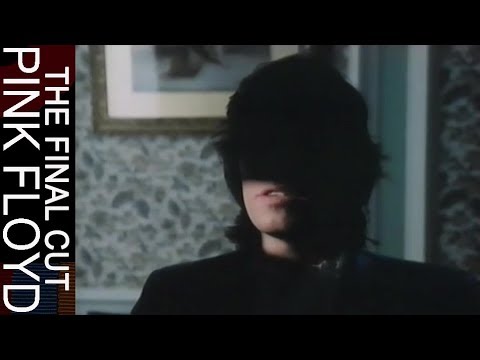
The music videos and visuals of The Final Cut are notable for their use of experimental film techniques. The album's music videos, including Not Now John and Your Possible Pasts, feature a range of visual effects and animation. The Final Cut has been praised for its visual style, with many critics noting its similarity to the work of film directors such as Stanley Kubrick and Terrence Malick. The album's visuals have been influential in the world of music videos, with many artists incorporating elements of experimental film into their own work.
👀 Cultural Impact and Influence
The cultural impact and influence of The Final Cut are significant, with the album's themes and ideas influencing a wide range of artistic fields. The album's influence can be heard in the work of other progressive rock bands, such as Radiohead and Muse. The Final Cut has also been praised for its lyrical depth and musical complexity, with many critics noting its similarity to the work of classical composers such as Ludwig van Beethoven and Johann Sebastian Bach. The album's influence extends beyond the world of music, with its themes and ideas influencing film, literature, and visual art.
🤔 Controversies and Criticisms
The controversies and criticisms of The Final Cut are complex and multifaceted. The album has been criticized for its darkness and bleakness, with some finding it too challenging or difficult to listen to. The Final Cut has also been criticized for its anti-war and anti-politics themes, with some finding them too preachy or didactic. However, the album has also been praised for its thought-provoking and poetic nature, with many critics noting its similarity to the work of poets such as T.S. Eliot and W.H. Auden.
🎯 Legacy and Re-Releases
The legacy and re-releases of The Final Cut are significant, with the album being re-released in several special editions and remasters. The album has been praised for its sound quality, with many critics noting its similarity to the original vinyl release. The Final Cut has also been included on several greatest albums of all time lists, including those published by Rolling Stone and NME. The album's influence can be heard in a wide range of musical genres, from progressive rock to electronic music.
Key Facts
- Year
- 1983
- Origin
- UK
- Category
- Music
- Type
- Album
Frequently Asked Questions
What is the concept of The Final Cut?
The concept of The Final Cut is a concept album that explores themes of war, politics, and social commentary. The album is a anti-war statement, with Roger Waters drawing inspiration from his own experiences and views. The album's concept is also influenced by Floydian themes of technology and alienation.
Who are the guest musicians on The Final Cut?
The guest musicians on The Final Cut include Michael Kamen and Andy Newmark. The album's production was handled by Roger Waters, James Guthrie, and Michael Kamen.
What is the commercial reception of The Final Cut?
The commercial reception of The Final Cut was significant, with the album reaching number one on the UK Albums Chart and number six on the US Billboard 200. The album was certified platinum by the Recording Industry Association of America (RIAA) and has since been certified double platinum.
What are the critical reviews of The Final Cut?
The critical reviews of The Final Cut are complex and multifaceted. The album has been praised for its lyrical depth and musical complexity, with many critics noting its similarity to Pink Floyd's The Wall. However, some critics have also noted the album's darkness and bleakness, with some finding it too challenging or difficult to listen to.
What is the cultural impact of The Final Cut?
The cultural impact of The Final Cut is significant, with the album's themes and ideas influencing a wide range of artistic fields. The album's influence can be heard in the work of other progressive rock bands, such as Radiohead and Muse. The Final Cut has also been praised for its lyrical depth and musical complexity, with many critics noting its similarity to the work of classical composers such as Ludwig van Beethoven and Johann Sebastian Bach.