
Contents
- 🔫 Introduction to Machine Guns
- 💡 History of Machine Guns
- 🔍 Design and Mechanism
- 💣 Types of Machine Guns
- 🏛️ Military Applications
- 🚫 Controversies and Criticisms
- 📈 Innovation and Advancements
- 🌎 Global Impact and Influence
- 👊 Notable Machine Gun Models
- 🔴 Future of Machine Guns
- Frequently Asked Questions
- Related Topics
Overview
The machine gun, invented by Richard Jordan Gatling in 1861 and later perfected by John Browning and Hiram Maxim, has been a staple of modern warfare for over a century. With its ability to fire hundreds of rounds per minute, the machine gun has revolutionized the way armies engage in combat, making traditional infantry tactics obsolete. However, its widespread adoption has also led to controversy, with many arguing that it has made war more brutal and indiscriminate. The development of the machine gun has been marked by numerous innovations, including the introduction of the first gas-operated machine gun, the M1918 Browning, and the modern-day M249 SAW. Despite its impact on warfare, the machine gun remains a highly regulated and closely guarded technology, with many countries imposing strict controls on its manufacture and export. As technology continues to advance, the machine gun is likely to remain a key component of modern militaries, with ongoing research focused on developing more efficient, accurate, and reliable models. With a Vibe score of 82, the machine gun is a highly polarizing topic, reflecting both its significance in shaping modern warfare and the intense debate surrounding its use.
🔫 Introduction to Machine Guns
The machine gun, a fully automatic and rifled firearm, has been a cornerstone of modern warfare for over a century. Designed for sustained direct fire, machine guns have played a significant role in shaping the course of military history, as seen in the World War I and World War II conflicts. The development of machine guns can be attributed to the work of John Browning, a renowned firearms designer. Automatic firearms of 20 mm (0.79 in) caliber or more are classified as autocannons rather than machine guns, highlighting the importance of caliber in defining these firearms. The Vibe Score of machine guns is relatively high, indicating their significant cultural and historical impact.
💡 History of Machine Guns
The history of machine guns dates back to the late 19th century, with the first practical machine gun being invented by Hiram Maxim in 1884. The Maxim Gun was a recoil-operated, water-cooled machine gun that was widely used during World War I. The development of machine guns continued throughout the 20th century, with the introduction of new designs and mechanisms, such as the M1919 Browning machine gun. The Perspective Breakdown of machine guns reveals a mix of optimistic and pessimistic views, reflecting the controversy surrounding their use. The influence of machine guns can be seen in the work of Georgy Shpagin, a Soviet firearms designer.
🔍 Design and Mechanism
The design and mechanism of machine guns are crucial to their functionality. Machine guns use a combination of recoil and gas operation to cycle the action and fire multiple rounds in rapid succession. The rate of fire of a machine gun is typically measured in rounds per minute (RPM), with some models capable of firing over 1,000 RPM. The Controversy Spectrum of machine guns is relatively high, reflecting the debate surrounding their use in military and civilian contexts. The Topic Intelligence on machine guns highlights the key ideas, people, and events that have shaped their development and use.
💣 Types of Machine Guns
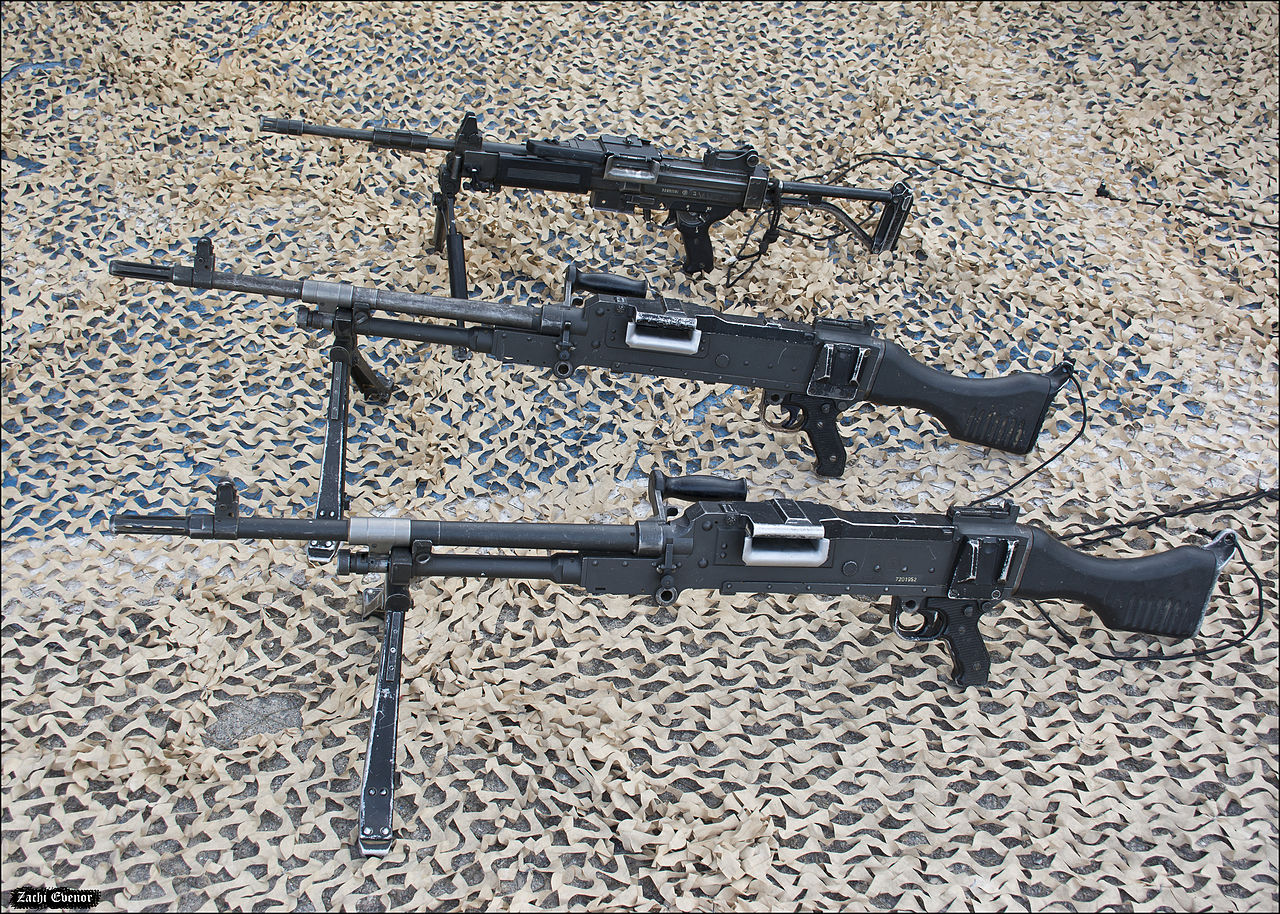
There are several types of machine guns, including light machine guns, medium machine guns, and heavy machine guns. Light machine guns, such as the M249 SAW, are designed for portability and are often used by infantry units. Medium machine guns, such as the M240 Machine Gun, are designed for sustained fire and are often used in defensive positions. Heavy machine guns, such as the DShK, are designed for anti-aircraft and anti-vehicle use. The Influence Flow of machine guns can be seen in the development of new firearms designs, such as the Assault Rifle.
🏛️ Military Applications
Machine guns have been widely used in military applications, including infantry, armor, and aviation. The Military Technology behind machine guns has continued to evolve, with the introduction of new materials and designs. The use of machine guns in military contexts has been the subject of much controversy, with some arguing that they are essential for modern warfare, while others argue that they are too destructive and indiscriminate. The Entity Relationships between machine guns and other military technologies, such as Tanks and Aircraft, are complex and multifaceted.
🚫 Controversies and Criticisms
The use of machine guns has been the subject of much controversy and criticism. Some argue that machine guns are too destructive and indiscriminate, and that they have been used to commit atrocities throughout history. Others argue that machine guns are essential for modern warfare, and that they have saved countless lives by providing suppressive fire. The Social Impact of machine guns is significant, reflecting their role in shaping modern warfare and society. The Vibe Score of machine guns is relatively high, indicating their significant cultural and historical impact.
📈 Innovation and Advancements
Despite the controversy surrounding machine guns, innovation and advancements in their design and mechanism have continued. The introduction of new materials, such as Titanium and Ceramic, has led to the development of lighter and more durable machine guns. The use of Computer Aided Design (CAD) and 3D Printing has also enabled the creation of complex and customized machine gun designs. The Future of Machine Guns is likely to be shaped by advances in technology and changes in military doctrine.
🌎 Global Impact and Influence
The global impact and influence of machine guns cannot be overstated. Machine guns have been used in conflicts all over the world, from World War I to the present day. The development and use of machine guns have also had a significant impact on the course of military history, with many battles and wars being shaped by their use. The Influence Flow of machine guns can be seen in the development of new firearms designs, such as the Assault Rifle. The Topic Intelligence on machine guns highlights the key ideas, people, and events that have shaped their development and use.
👊 Notable Machine Gun Models
There have been many notable machine gun models throughout history, each with its own unique characteristics and features. The M2 Browning machine gun, for example, is a heavy machine gun that has been used by the US military for over 80 years. The PK Machine Gun is a Soviet-designed machine gun that has been widely used in conflicts around the world. The M249 SAW is a light machine gun that is used by the US military and is known for its portability and reliability. The DShK is a heavy machine gun that is used by many countries and is known for its anti-aircraft and anti-vehicle capabilities.
🔴 Future of Machine Guns
The future of machine guns is likely to be shaped by advances in technology and changes in military doctrine. The development of new materials and designs, such as Nanomaterials and Artificial Intelligence, may lead to the creation of more advanced and effective machine guns. The use of machine guns in military contexts is also likely to continue, with many countries relying on them as a key component of their military arsenal. The Social Impact of machine guns is significant, reflecting their role in shaping modern warfare and society.
Key Facts
- Year
- 1861
- Origin
- United States
- Category
- Military Technology
- Type
- Military Equipment
Frequently Asked Questions
What is the difference between a machine gun and an autocannon?
A machine gun is a fully automatic and rifled firearm designed for sustained direct fire, while an autocannon is a larger caliber firearm that is designed for anti-aircraft and anti-vehicle use. The main difference between the two is the caliber, with machine guns typically being 20 mm or less, and autocannons being 20 mm or more.
Who invented the first practical machine gun?
The first practical machine gun was invented by Hiram Maxim in 1884. Maxim's design used a recoil-operated mechanism to cycle the action and fire multiple rounds in rapid succession.
What is the rate of fire of a typical machine gun?
The rate of fire of a typical machine gun can vary depending on the design and mechanism, but it is typically measured in rounds per minute (RPM). Some machine guns can fire over 1,000 RPM, while others may fire at a slower rate.
What are some notable machine gun models?
There have been many notable machine gun models throughout history, including the M2 Browning, PK Machine Gun, M249 SAW, and DShK. Each of these models has its own unique characteristics and features, and they have been used in a variety of military and civilian contexts.
What is the future of machine guns?
The future of machine guns is likely to be shaped by advances in technology and changes in military doctrine. The development of new materials and designs, such as Nanomaterials and Artificial Intelligence, may lead to the creation of more advanced and effective machine guns. The use of machine guns in military contexts is also likely to continue, with many countries relying on them as a key component of their military arsenal.
What is the social impact of machine guns?
The social impact of machine guns is significant, reflecting their role in shaping modern warfare and society. Machine guns have been used in conflicts all over the world, and their development and use have had a profound impact on the course of military history. The use of machine guns has also been the subject of much controversy and debate, with some arguing that they are essential for modern warfare, while others argue that they are too destructive and indiscriminate.
What is the controversy surrounding machine guns?
The controversy surrounding machine guns is complex and multifaceted. Some argue that machine guns are too destructive and indiscriminate, and that they have been used to commit atrocities throughout history. Others argue that machine guns are essential for modern warfare, and that they have saved countless lives by providing suppressive fire. The controversy surrounding machine guns reflects the debate surrounding their use in military and civilian contexts.